
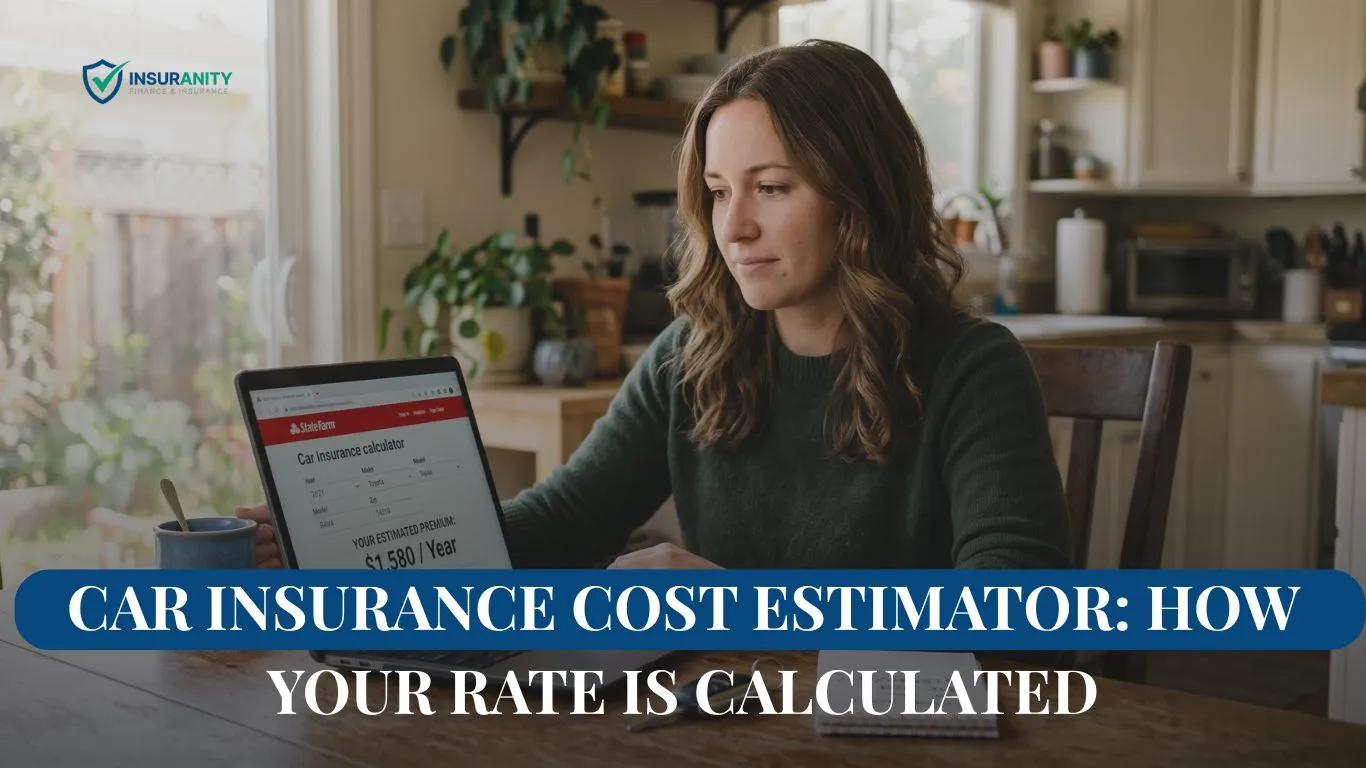
My neighbor Dana once typed her zip code into three different car insurance cost estimator tools in the same afternoon and got three different numbers, one for $89 a month, one for $134, and one for $156. She called me, confused, asking which one was lying. None of them was lying. Each estimator just weighs the same handful of facts about her differently, and once you understand what those facts are, the mystery mostly disappears.
That is really what this article is about. Not just what a car insurance cost estimator is, but how the number on the screen actually gets built behind the scenes, what you can do to shrink it, and why your final quote sometimes lands far from the estimate. Whether you are shopping for the first time, switching providers, or just curious why your neighbor pays less than you do, this guide walks through it in plain language.
What a Car Insurance Cost Estimator Is Really Doing
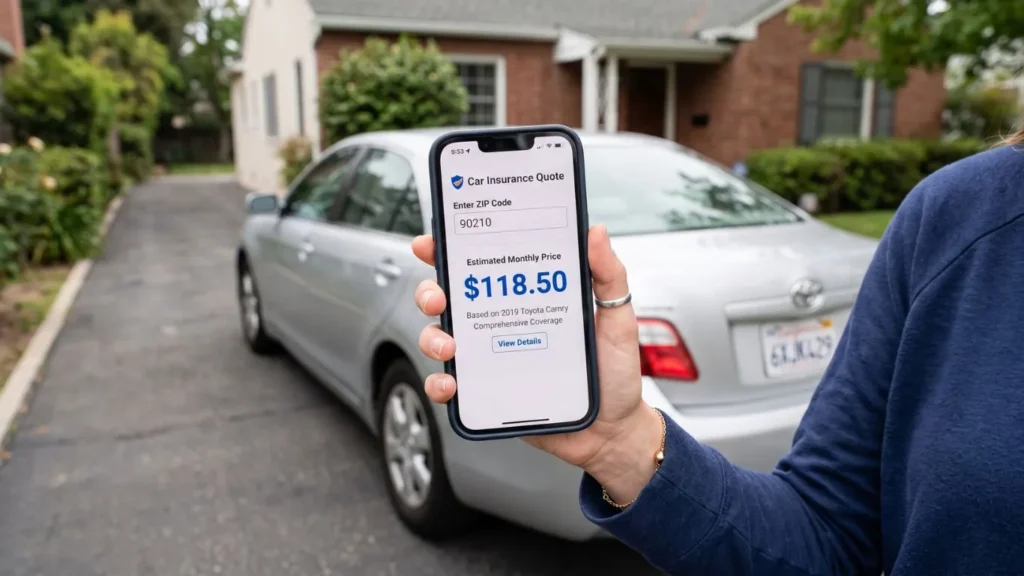
A car insurance cost estimator is a calculator that takes a small set of details about you and your vehicle and runs them through a simplified version of the math that insurance companies use to price policies. It is not magic, and it is not a quote. It is a prediction based on patterns.
Insurance companies have decades of claims data. They have looked at millions of drivers and noticed that certain groups file more claims, or file more expensive claims, than others. A car insurance cost estimator is built to mimic those patterns on a smaller scale, so it can give you a ballpark figure before you ever talk to an agent or fill out a real application.
Think of it like a weather forecast. It will not tell you the exact temperature at 3:14 p.m. on Thursday, but it gives you a number close enough that you can plan your day around it. A car insurance cost estimator works the same way for your budget.
The Core Factors Behind Every Estimate
Every car insurance cost estimator is built around a handful of inputs, even if the design or wording differs from one tool to the next. These inputs were chosen because actuarial data has repeatedly shown they correlate with how likely a driver is to file a claim and how expensive that claim might be.
| Factor | Why It Matters | Typical Impact on Rate |
|---|---|---|
| Location and ZIP code | Reflects local accident rates, theft rates, and repair costs | Moderate to high |
| Age and driving experience | Younger or newer drivers statistically file more claims | High |
| Driving record | Tickets, accidents, and DUIs signal future risk | High |
| Vehicle make and model | Repair cost, safety rating, and theft rate vary by car | Moderate |
| Credit-based insurance score | Used in most states as a predictor of claim likelihood | Moderate |
| Coverage level chosen | Liability only versus full coverage changes the math | High |
| Annual mileage | More time on the road means more exposure to risk | Low to moderate |
| Marital status and homeownership | Linked to statistical stability in claims history | Low |
These factors are processed simultaneously, not one at a time, which is why two estimators can take the same ZIP code and produce different totals. One tool might weigh your driving record more heavily, while another leans harder on your vehicle’s safety rating.
A Step-by-Step Walkthrough of Using a Car Insurance Cost Estimator

If you have never used one before, the process is more straightforward than it sounds. Here is how it typically unfolds.
Step 1: Enter your ZIP code
This is usually the first field, and it is asked first because location carries so much weight in the formula. Urban areas with more traffic and higher theft rates tend to push the number up.
Step 2: Add basic driver details
Age, gender in some states, and years of driving experience are typically requested next. This helps the car insurance cost estimator sort you into a risk category based on aggregate data.
Step 3: Provide your driving history
Be honest here. If you list a clean record when you actually have a speeding ticket, the estimate will be artificially low, and your real quote later will come in noticeably higher.
Step 4: Enter vehicle information
The year, make, and model matter because some cars cost more to repair or are more frequently stolen. A two-door sports coupe and a four-door sedan with strong safety ratings will not produce the same number, even with an identical driver profile.
Step 5: Select your coverage preferences
This is where many people get surprised. Choosing only the state minimum liability coverage will produce a much smaller estimate than selecting full coverage with comprehensive and collision included.
Step 6: Review the estimate and compare it against real quotes
Once the car insurance cost estimator spits out a number, treat it as a starting point, not a final answer. Use it to compare insurers and coverage levels relative to each other rather than expecting it to match what you will eventually pay to the dollar.
What You Can Control Versus What You Cannot
It helps to separate the inputs into two buckets because that distinction shapes how you should act on the results from a car insurance cost estimator.
Things largely outside your control include your age, your location, and broad market conditions like inflation in auto repair costs or a regional spike in accidents. These get baked into the baseline rate before anything personal about you is even factored in.
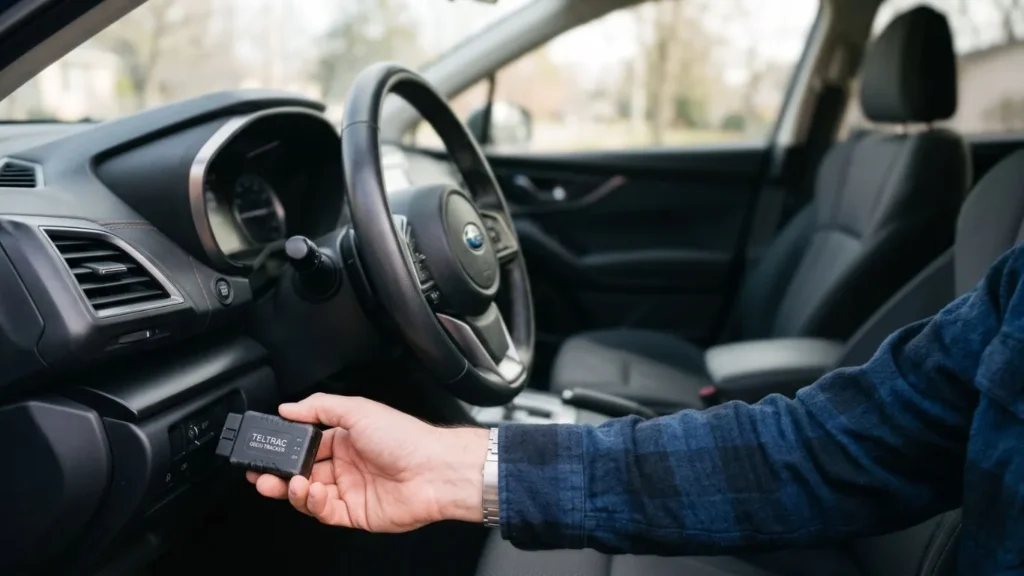
Things you can influence include your coverage level, your deductible, your driving habits going forward, and which insurer you choose. This is where the real savings potential sits. Raising your deductible, for example, lowers your premium because you are agreeing to absorb more of the cost yourself if something happens. Adding a telematics device that tracks safe driving habits can also chip away at the total, and tools like an approved vehicle tracker are becoming a common way drivers prove they deserve a discount.
Common Mistakes That Throw Off the Numbers
A surprising number of people get an inflated or deflated estimate simply because of small input errors. Mileage is frequently underreported because people guess instead of checking their odometer history. Coverage levels are sometimes left at default settings, which may not match what the driver actually wants or what their state legally requires.
Another mistake involves vehicle ownership details. If the car is not titled in your name, the estimator might not account for that properly, and the situation around insuring a car that isn’t registered to you can change the math entirely. Similarly, if the vehicle has a salvage title, standard estimators are often not built to handle that case well, since salvage title vehicles are priced using a different risk model altogether.
People also forget to mention if the car is leased rather than owned outright. Leasing usually comes with required coverage minimums set by the leasing company, and leased vehicle coverage requirements are typically higher than what a state mandates, which a basic car insurance cost estimator might not flag automatically.
Why the Estimate and the Real Quote Sometimes Differ
It is worth being upfront about this part, because it trips up almost everyone the first time. A car insurance cost estimator is built on aggregated statistical data. A real quote, by contrast, is generated after an insurer pulls your actual driving record, your actual credit-based insurance score, and sometimes a motor vehicle report directly from your state.
If there is a discrepancy between what you entered and what the official records show, the final number will shift. This is not a trick or a bait and switch. It is simply the difference between an educated guess and a verified calculation. Dana’s three different numbers, mentioned earlier, eventually settled into a real quote that sat almost exactly in the middle of her three estimates, which is a fairly typical outcome.
It also helps to remember that some life events change your rate even though an estimator would not necessarily ask about them. Getting married, buying a home, or even letting a family member regularly borrow your car can shift your risk profile. If someone else frequently drives your vehicle, it is worth understanding the rules around letting another person drive your car, since that can affect both your premium and your coverage in the event of a claim.
When and Why People Use These Tools
People typically reach for a car insurance cost estimator at a few specific moments. The most common is when shopping for a new policy, either because they are a first-time driver or because their current premium just went up at renewal. The second common moment is when switching car insurance companies entirely, since comparing a current premium against several estimated alternatives is the fastest way to see if switching actually saves money.
A third moment happens around major vehicle purchases. Someone shopping for an electric vehicle will often run several estimates before buying, because EV insurance costs can run higher due to battery replacement expenses, even though fuel savings are part of the appeal.
A fourth and less obvious reason involves legal compliance. Some drivers run an estimate simply to understand what minimum coverage costs in their state after learning about the penalties tied to driving without proper insurance. Even a rough number helps them budget for legally required coverage before they get behind the wheel.
Reading the Output Like a Pro
Once the estimate appears, it is worth breaking it down rather than just looking at the bottom-line number. Most tools separate the total into liability, collision, and comprehensive portions. Liability is usually the largest chunk if you are carrying full coverage, since it covers damage and injury you cause to others. Comprehensive and collision protect your own vehicle.
If you have an outstanding car loan, you might also see the estimator suggest add-on coverage. Understanding gap insurance costs alongside your standard estimate is smart, since gap coverage fills the difference between what your car is worth and what you still owe if it is totaled.
According to the Insurance Information Institute, average auto insurance premiums are shaped by a combination of claims frequency, claims severity, and the overall cost of vehicle repairs across a state, which is part of why a car insurance cost estimator in one state rarely matches one in another, even with identical driver details.
FAQs
How often should you re-run a car insurance cost estimator?
It is worth running one every six months or right before your policy renews, since rates shift based on new claims data, inflation in repair costs, and changes in your own driving record. Many drivers only check once when they first buy a policy and then overpay for years without realizing a fresh estimate could reveal a lower rate elsewhere.
Can you get an accurate estimate without entering your name or personal contact details?
Yes. Most car insurance cost estimators are built to work anonymously, asking only for your ZIP code, age range, vehicle details, and driving history rather than your name, phone number, or Social Security number. Full personal details are usually only required later, once you decide to request an actual binding quote from an insurer.
What does the national average car insurance cost actually represent?
The national average is a blended figure pulled from claims and premium data across all fifty states, which means it rarely reflects what any individual driver actually pays. States with higher accident rates, higher repair costs, or more uninsured drivers push the average up, while rural states with lower traffic density pull it down, so this number works better as a reference point than a personal prediction.
Can a car insurance cost estimator give a reliable number for a brand-new driver with no driving history?
It can, but the result leans more heavily on indirect factors like age, location, and vehicle type since there is no claims history to analyze. New drivers typically see higher estimates because insurers treat an unknown risk profile cautiously, and the number usually drops once a clean driving record builds up over the first one to two years.
Conclusion
At Insuranity, A car insurance cost estimator is best treated as a starting point for a conversation rather than a final verdict. It pulls together location, driving history, vehicle details, and coverage preferences into one rough number so you have something concrete to plan around. The real value comes from using it more than once, adjusting your deductible, comparing coverage levels, and checking how small changes shift the total before you commit to a real policy.
Dana eventually picked the insurer that most closely matched her actual driving habits and her car’s real value, not the one with the flashiest low number. That is really the smartest way to use a car insurance cost estimator. Let it guide your decisions, not dictate them, and always confirm the final figure with a real quote before signing anything.