
Imagine your family receiving a phone call they were never ready for. You are no more. And somebody’s got to figure out how to pay for a $10,000 funeral in 48 hours and still meet the electric bill. That moment comes for thousands of American families every year. And most of them had no preparation for it.
That’s precisely why so many seniors across the USA begin looking for open care life insurance. Not because they want to think about dying but because they love the people they will leave behind. If you are between 50 – 85, don’t have a policy yet, or just confused on whether you should go with Term VS Whole Life Insurance this guide was written specifically for you.
No confusing insurance language. No stress. Just real answers, honest answers.
What Is Open Care Life Insurance And Who Is It For?
Open care life insurance is not a single product from a single company. It is a kind of senior orientated insurance program that links seniors with final expense insurance, burial insurance, and open care life insurance for seniors through licensed brokers and independent agencies located in the USA.
Target audience Adults 50-85 years old, especially those who:
- previously rejected by traditional insurance companies
- Have a chronic condition like diabetes, heart disease or COPD
- Wanting coverage without the full medical exam
- Have a fixed income, like Social Security or a retirement pension
Most seniors looking at open care life insurance are not trying to leave a million-dollar estate. They simply don’t want their children to struggle to pay for funeral costs, outstanding medical bills or final household expenses in one of the most difficult weeks of their lives.
That is a very human, very reasonable goal. And it can be done with open care life insurance.
First, Understand the Two Types of Coverage
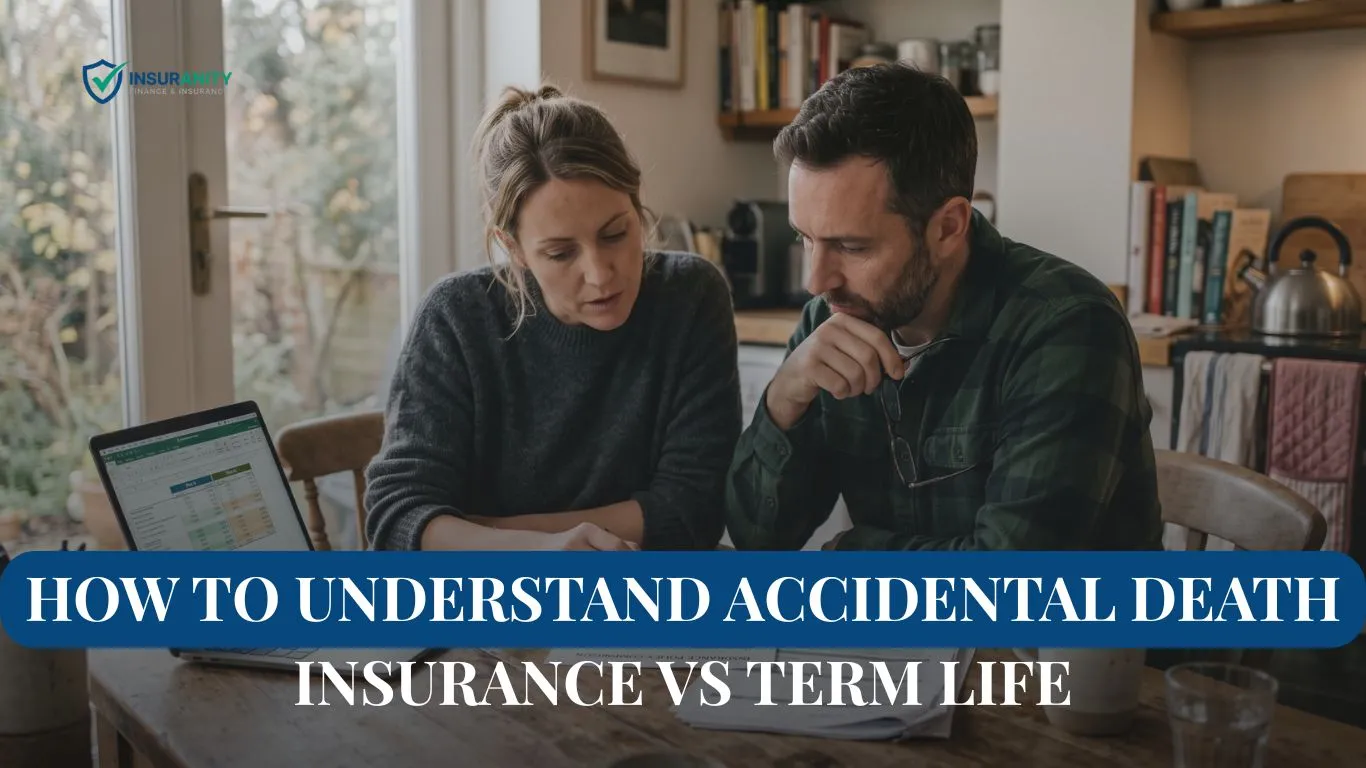
The very first thing you need to do is decide on the fundamental difference between Term VS Whole Life Insurance because that one decision will determine everything else about your coverage.
Think about it this way:
Term life insurance is akin to renting a flat. You pay monthly, you are fully covered while you are there, but when the lease is up, you walk away with nothing.
Whole life insurance is like owning a house. You pay month to month, you are covered for life and the value actually increases over time.
That’s the simplest way to understand Term vs Whole Life Insurance. Let’s dig a little deeper here.
Term VS Whole Life Insurance: An In-Depth Comparison

| Feature | Whole Life Insurance | Term Life Insurance |
|---|---|---|
| Coverage Period | 10 years, 20 years or 30 years | Lifetime (no expiration) |
| Monthly Fee | Less | More |
| Medical Exam | May be required | Usually not required for seniors |
| Cash value | No | Yes, accumulates over time |
| Best For | Mortgage, replace income | Funeral expenses, final expenses |
| Age Limit | Most programs to 75 | Many senior plans to 85 |
| Waiting Period | None if approved | 2 years for guaranteed issue plans |
| Payout Guaranteed | Yes, always | Only if death occurs in term |
It is easy to see from this table why most seniors opt for a whole life option through programs like open care life insurance . As long as you pay premiums, coverage never expires. A 20 year term policy could expire before someone reaches 70. A whole life policy doesn’t have that issue.
For a more detailed comparison of these two policies in dollar terms, the article on Term VS Whole Life Insurance walks through real pricing examples for different age groups.
The Application Process, Step by Step (What it Really Looks Like)
One of the biggest things that seniors worry about is the application process. They imagine needles, doctor visits and long waits. But with open care life insurance it is actually a pretty simple process.

Step 1: Obtain a Basic Quote
Begin by inputting your Zip code, age, gender and tobacco use. You get an estimated monthly cost for various coverage amounts.
Step 2: Select Your Coverage Type
Choose between a simplified issue plan (answer a few health questions) or guaranteed issue plan (no health questions but a 2-year waiting period). This is where Term VS Whole Life Insurance comes as a real option for you.
Step 3: Answer health questions (If applicable)
Simplified issue plans include a short health questionnaire that is completed either online or by phone. There’s no blood test. No doctor’s visit. It usually takes about 15 to 20 minutes.
Step 4: Get Approved and Start Coverage
Coverage can start day one if approved for a simplified issue plan. Guaranteed issue plans always say yes but natural death coverage doesn’t start until after the 2 year waiting period.
Step 5: Pay the first premium
Official coverage is ongoing. Your rate is locked forever. It will never go up.
It’s important to understand this process before you apply. If you want to understand the impact of coverage gaps on your protection, the guide on how to switch car insurance provides great principles on how to avoid lapses in any kind of insurance plan.
The Waiting Period: What It Is, and Why It Matters
This is something that competitors seldom explain clearly enough. The 2 year waiting period is not a scam or trick. It is a standard feature of guaranteed issue whole life policies.
And it goes like this:
If you die of natural causes (like illness) within the first two years of a guaranteed issue policy, your family will receive your premiums back, plus interest. They don’t get the full death benefit at this point.
If you die from an accident during the waiting period, many plans will pay the full death benefit immediately.
The full death benefit is paid for any cause of death after the 2-year window.
These plans are for everyone, no matter how sick you are, and that’s why there’s a waiting period. Without it the insurance would not be financially viable.
The question to ask is: Do you need coverage immediately? If yes, and your health permits, go for a simplified issue whole life plan. These can be approved for first day coverage.
For seniors looking into financial decisions about health care, knowing when coverage begins is just as important as knowing costs. It’s the same with looking into how much is urgent care without insurance. The timing and eligibility rules can really affect how much you will actually pay.
What is the Senior Open Care Life Insurance Cost?
The four main factors that determine the price are your age, gender, health status and the level of coverage you choose. So here is a realistic break down of seniors in average health and non smokers.
| Age | Coverage | Estimated Monthly Cost |
|---|---|---|
| 55 | $10,000 | $25-$40 |
| 60 | $10,000 | $35-$55 |
| 65 | $10,000 | $45-$70 |
| 70 | $10,000 | $60-$90 |
| 75 | $10,000 | $80 to $120 |
Smokers or people with major health problems will generally pay 20% to 40% more than these estimates.
You may have seen the $7.49 monthly rate on TV. That is for a $2,000 death benefit for a 50-year-old woman in perfect health who does not smoke. Most seniors pay higher real-world prices. The important thing is these plans are really affordable for fixed income households.Open care life insurance for seniors through licensed brokers and independent agencies.
If you’re paying insurance premiums and also healthcare costs, knowing how much an MRI costs without insurance can help you budget more precisely for your overall financial health picture.
Term VS Whole Life Insurance: Which One Is Better for a Senior?
This is the question people get most confused about. Let’s face it.
Whole life insurance is the best choice for most seniors aged 60 to 85. Here’s why.
Most plans give a term life policy for a 70-year-old up to 10 to 15 years. If you survive that, you get nothing and coverage stops. Your family is not covered and you may not always be able to get a new policy at an older age.
A whole life policy never expires . Live to 75 or 95. Protect your loved ones. Rates are locked in for life. The death benefit is 100% guaranteed. This is just what a senior needs to plan for final expenses.
The only time you’ll see Term VS Whole Life Insurance lean toward term for a senior is if a younger adult needs to cover a mortgage or replace income for a spouse who relies on them. Perhaps early 50s. If you’re like most people, a 20-year term can give you a bigger death benefit for less each month during the years that matter the most.
And when the goal is to pay for funeral costs, medical bills and end-of-life expenses, whole life wins almost every time with those 65 and older.
If you’re a parent looking at financial protection for your children, the full guide on life insurance for parents goes into much more detail on how age affects both options.
The Cash Value Advantage Most Seniors Never Learn About

When you choose whole life insurance, something very quietly happens month after month. A part of your premium is invested in a cash value account. This account earns a growth rate guaranteed by the insurance company.
In 10 or 15 years this can add up to something big. And here’s the part most people don’t hear about in TV commercials:
You can borrow against that cash value while you are still alive .
Need money for a medical bill? A home fix? Grandchild emergency? You can take out a policy loan without a credit check, and without paying income tax on it. You never pay back the loan while you’re alive, but any unpaid balance is taken from your death benefit when you die.
This is one of the real benefits of opting for whole life over term in the Term VS Whole Life Insurance debate. Term has no cash surrender value. It’s only protection. Whole life is also a protection and slow growing financial asset.
It’s important to understand how financial tools work with your overall cost of living. Just as knowing if insurance covers LASIK can help you plan your out-of-pocket health expenses, understanding cash value can help you understand the whole financial picture of a whole life policy.
True Story: How Martha Nearly Made the Wrong Choice
Martha is a 68-year-old retired school aide from Ohio. She called for a quote after seeing a senior life insurance plan advertisement on TV. The agent wrote her a guaranteed issue plan with a $15,000 death benefit for around $75 a month.
But Martha had never been to a heart specialist. She thought she was uninsurable because of her blood pressure.
A different independent broker walked her through a short health questionnaire and she qualified for a simplified issue plan at the same coverage amount for $52 a month. No wait. Day one coverage.
She was about to pay $23 more a month for two full years before coverage fully kicked in, simply because nobody bothered to explain the difference to her.
The takeaway is simple: Always enquire about both plan types before you decide. term vs whole life insurance If you know the difference between term vs whole life insurance plans and simplified issue vs guaranteed issue, you can save yourself hundreds of dollars and get better protection from day one.
Three Questions to Ask Before You Buy Into Any Senior Life Insurance Plan
Choosing the right open care life insurance policy comes down to three honest questions.
1. Need coverage to start right away?
If so, specifically ask about simplified issue whole life with day one coverage. Don’t go for guaranteed issue unless you really can’t qualify for anything else because of your health.
2. When you die, how much would your family actually get?
Make sure you know the exact amount of the payout after any waiting period rules, loan deductions or graded benefit clauses have been applied.
3. Who is the real insurer of the policy?
Independent brokers/agencies represent several carriers. Ask them directly what A rated insurance company will write your particular policy. You’re entitled to know.
Many seniors also wonder if they have enough coverage now. If you’re considering adding or changing a policy, check out the guide on is life insurance worth it to help you assess your current situation. Open care life insurance is available for seniors who want to protect their families without the complicated medical process
Riders That Will Help Your Policy Work Even Harder
A rider is a small add-on that adds additional features to your policy. They’re not the ones advertised on tv most people see. But they can make a lot of difference.
Accelerated Death Benefit Rider
You can tap into some of your death benefit if you are diagnosed with a terminal illness. That money can be used for medical bills, hospice care, or whatever you need.
Accidental Death Rider
If you die as a result of an accident, your family will receive double or triple the benefit you paid. Often, this can be provided at very little extra cost.
Waiver of Premium Rider
If you become disabled and can no longer work, your premiums will be waived and your coverage will continue.
These riders are not advertised heavily by all programs. Enquire about them. They are cheap and can be enormously valuable.
What To Do Now
You don’t have to buy anything today. But you can see what I mean. Immediate steps that are worth doing are:
First, decide how much coverage you want. Just funeral costs ($10,000 to $15,000)? Or do you want to add medical debts, small loans and a little extra for your family?
Second, get at least two or three quotes from different brokers or carriers. Prices are everywhere. Be sure to compare before you commit.
Third, ask about both simplified issue and guaranteed issue. You may be eligible for better terms than you think based on your health.
Fourth, read the small print on waiting periods. Know exactly when full coverage starts.
Fifth, determine which insurance company actually holds your policy, not just the broker or agency name.
If you’re also looking at the bigger financial picture as you age, understanding life insurance tax rules might be helpful, as death benefits paid to your family are generally income-tax-free.
If you need a trusted outside resource to learn about how final expense insurance is regulated in the USA, check out the National Association of Insurance Commissioners (NAIC). They have free consumer guides on life insurance that are worth a read before you sign on the dotted line.
How does the 2-year waiting period work in open care life insurance?
The 2-year waiting period applies to guaranteed issue whole life plans. If you pass away from a natural cause during the first two years, your family receives your paid premiums back plus interest, not the full death benefit. After the two years are completed, the full benefit is paid for any cause of death. Accidental death is usually covered in full from day one.
Can seniors with pre-existing conditions qualify for open care life insurance?
Yes. Open care life insurance is specifically designed for seniors with health conditions like diabetes, heart disease, high blood pressure, and COPD. Guaranteed issue plans accept everyone with no health questions at all. Simplified issue plans ask a short questionnaire but still approve most applicants with common chronic conditions.
How much does open care life insurance cost per month for a 65-year-old?
A 65-year-old non-smoking senior in average health can expect to pay roughly $45 to $70 per month for a $10,000 whole life policy. Smokers and those with serious health conditions typically pay 20% to 40% more. The final rate depends on gender, coverage amount, plan type, and the specific carrier underwriting the policy.
Is Term VS Whole Life Insurance better for covering funeral costs?
Whole life insurance is better for covering funeral costs than term life. A term policy expires after a set number of years, which means if you outlive the term, your family receives nothing. Whole life never expires, premiums stay the same for life, and the death benefit is guaranteed to be paid no matter when you pass, making it the right choice for final expense and burial planning.
Bottom Line on Open Care Senior Life Insurance
Open care life insurance is available for seniors who want to protect their families without the complicated medical process. It’s not flawless. Advertised prices are usually misleading. Carrier partners are sometimes not transparent. And the two-year waiting period on guaranteed-issue plans catches a lot of people off guard.
But when chosen properly, especially a simplified issue whole life policy providing day-one coverage through an A-rated carrier, it does exactly what it promises. It gives your family money when they need it the most.
For most seniors the Term VS Whole Life Insurance decision is actually pretty simple – whole life doesn’t expire and most seniors can’t afford for their coverage to expire before they do.