

Picture this. You wake up, reach for your glasses on the nightstand, and knock them onto the floor for the hundredth time. You squint at a blurry alarm clock. You think, “There has to be a better way.” Then a friend mentions she got laser eye surgery and now sees perfectly. Your next thought is almost always the same: how much will this cost me, and will my insurance pay for it?
That single question sends millions of people searching every year. So let’s answer it clearly and honestly, without the runaround.
The Short Answer Most People Are Looking For
So, is Lasik covered by insurance? In most cases, no. LASIK is treated as an elective procedure, which means insurance companies see it as a “want,” not a “need.” Health plans usually pay for things that are medically necessary, like fixing a broken bone or removing a tumor. Since you can correct your vision with glasses or contacts instead, insurers rarely classify laser eye surgery as essential.
Think of it like this. If your car’s brakes fail, your warranty helps fix them because the car is unsafe to drive. But if you simply want a fancier paint color, that upgrade comes out of your own pocket. LASIK sits in that “upgrade” category for most insurance providers.
That said, the full story has more layers than a simple yes or no. Let’s walk through them, because a few important exceptions could save you real money.
Why LASIK Is Usually Labeled “Elective”
The word elective causes a lot of confusion. It does not mean the surgery is unimportant or risky. It simply means you are choosing to have it done rather than being forced to by a medical emergency.
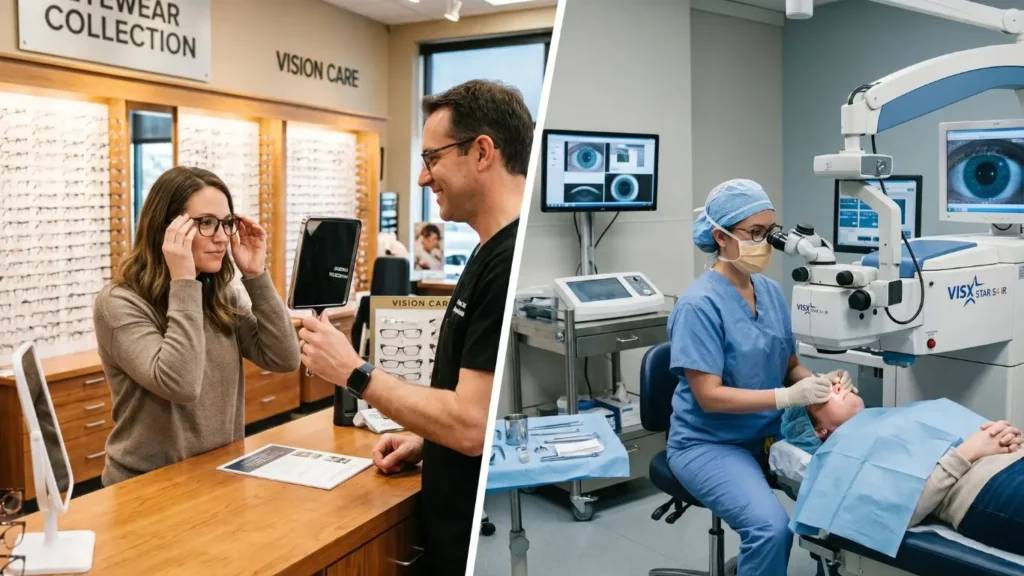
When people ask is Lasik covered by insurance, they often assume vision problems automatically count as a medical issue. And they do, in a sense. But standard health insurance and vision insurance are designed around routine eye care: eye exams, prescription glasses, and contact lenses. Refractive surgery like LASIK falls outside that everyday lane.
Here is a quick anecdote that explains it well. A teacher named Maria once called her insurance company, certain her nearsightedness qualified her for covered surgery. The representative kindly explained that because her glasses corrected her vision just fine, the laser procedure was considered optional. Maria was disappointed at first, but that phone call helped her plan a smarter way to pay, which we’ll cover below.
The Exceptions: When Insurance Might Actually Help
Now for the good news. There are real situations where the answer to is Lasik covered by insurance shifts closer to “maybe.” These exceptions are not common, but they exist, and they are worth knowing.
Medically necessary cases
If you have an eye injury, severe scarring on the cornea, or a documented condition that makes glasses and contacts genuinely unsafe, your medical insurance may step in. For example, someone who suffered facial trauma in an accident and can no longer wear standard corrective lenses might qualify. Approval is rare and usually requires paperwork from your eye doctor proving that other options will not work.
Job-related vision standards
Certain careers demand sharp, unaided eyesight. Military members, police officers, firefighters, and some pilots may receive LASIK benefits through special programs because glasses or contacts could fail at a dangerous moment. If your job has strict vision rules, ask your employer directly.
Union and employer benefit plans
A handful of large employers and labor unions negotiate partial LASIK insurance coverage as a perk. It is not standard, but it never hurts to check with your human resources department during open enrollment.
The honest takeaway: while wondering is Lasik covered by insurance, treat full coverage as a rare bonus rather than something to count on. Plan as if you will pay, and celebrate if you do not have to.
Discounts Are More Common Than Coverage
Here is a distinction that trips people up. Coverage means the insurer pays a chunk of the bill. A discount means the insurer connects you with a provider who charges you less. Many vision plans offer the second kind of help.
These laser eye surgery discounts often knock off a meaningful percentage when you visit an in-network surgeon. The savings usually apply upfront, so you are not waiting for a reimbursement check. When you next ask is Lasik covered by insurance, also ask the follow-up question: “Does my plan offer any discount programs for refractive surgery?” That second question frequently produces a happier answer.
How Much Does LASIK Actually Cost?

Knowing the price tag helps you understand why so many people research is Lasik covered by insurance in the first place. The procedure is not cheap.
| Cost Factor | Typical Range (per eye) | What Affects It |
|---|---|---|
| Standard Lasik | $1,500 to $3,000 | Basic laser technology |
| Bladeless / custom Lasik | $2,200 to $5,000 | Advanced equipment, mapping |
| Both eyes combined | $3,000 to $8,000 | Two-eye package pricing |
| Follow-up visits | Often included | Varies by clinic policy |
On average, LASIK eye surgery runs around $2,000 to $2,500 per eye in the United States. Prices swing based on the clinic’s technology, the surgeon’s experience, your location, and how much correction your eyes need. A bustling city clinic with the newest lasers usually charges more than a smaller practice.
Because medical pricing can be confusing in general, it helps to compare how other procedures are billed. If you have ever looked into how much a CT scan costs with insurance, you already know that the same procedure can carry wildly different prices depending on where it is done. LASIK works the same way.
A Step-by-Step Guide to Finding Out Your Own Coverage
Instead of guessing whether is Lasik covered by insurance that applies to your situation, follow this simple plan. It takes about an afternoon.
Step 1: Read your plan documents
Look for the words “exclusions” or “vision correction.” Most plans spell out clearly that refractive surgery is not covered. Knowing your own health insurance premium and benefits helps you understand what you are already paying for.
Step 2: Call the number on your insurance card
Ask three direct questions. Does my plan cover LASIK? Does my plan offer LASIK discount programs? Could it be covered if my doctor says it is medically necessary?
Step 3: Talk to your employer’s benefits manager
This person often knows about perks you might not have noticed, including flexible spending options and vision plan partnerships.
Step 4: Get a consultation with an eye surgeon
A proper exam tells you if you are even a good candidate. People with thin corneas, certain autoimmune conditions, or unstable prescriptions may not qualify, regardless of their insurance.
Step 5: Request a written cost estimate
Make sure it states whether the price is for one eye or both, and what follow-up care is included.
By the end of these five steps, the question is Lasik covered by insurance will no longer be a mystery for your specific plan. You will have a clear number to work with.
Smart Ways to Pay When Insurance Says No
Let’s say you have done your homework, and the answer to is Lasik covered by insurance turned out to be no. Do not lose heart. Plenty of people fund their surgery comfortably using these tools.

Flexible Spending Accounts (FSA)
An FSA lets you set aside pretax money from your paycheck for health expenses. Lasik qualifies. The catch is that FSA funds often expire at the end of the plan year, so schedule your surgery before you lose the money.
Health Savings Accounts (HSA)
An HSA also uses pretax dollars, but the balance rolls over year after year. You can quietly build savings and use them for LASIK whenever you feel ready. Many people find this the gentlest path.
Financing and payment plans
Most surgery centers offer monthly payment options, sometimes with zero interest for a set period. This spreads the cost into bite-sized pieces.
Seasonal promotions
Clinics sometimes run discounts during slower months. A little patience can lead to real savings.
Tax deductions
In some cases, large medical expenses can be deducted from your taxes. A tax professional can tell you if you qualify. This is similar to how people research whether life insurance is tax-deductible before assuming anything.
Here is one more short anecdote. A young nurse named Daniel wanted LASIK but had no spare cash. Instead of giving up, he increased his FSA contribution during open enrollment, waited eleven months, and paid for the entire procedure with pretax dollars. He described the morning after surgery, seeing the sunrise clearly for the first time without lenses, as worth every bit of the planning.
How LASIK Compares to Other “Out-of-Pocket” Care
Lasik is far from the only medical service that surprises people with its bill. Health coverage in the United States has many gaps, and learning how those gaps work makes you a smarter patient overall.
For instance, dental work catches many families off guard. Reading about how much a crown costs without insurance or the price of a dental cleaning without coverage shows the same pattern as Lasik: routine and elective care often lands on you. Even a trip for minor treatment can sting, which is why understanding urgent care costs without insurance matters before an emergency happens.
The lesson connects directly to LASIK insurance coverage. When you know how your plan handles different services, you stop being surprised and start being prepared.
Common Myths That Confuse People
A few stubborn myths float around whenever someone asks is Lasik covered by insurance. Let’s clear them up in plain language.
Myth one: If I have great health insurance, LASIK is automatically covered. Not true. Even premium plans usually exclude elective refractive surgery.
Myth two: Vision insurance always pays for laser eye surgery. Also not true. Vision plans focus on exams and eyewear. The most they typically offer for LASIK is a discount.
Myth three: I can cancel my plan, get Lasik, and re-enroll. This is a costly mistake. Coverage rules are strict, and gaps can hurt you. If you are ever curious about plan timing, it is smarter to read about whether you can cancel health insurance at any time rather than guessing.
Myth four: Going without coverage saves money. Skipping insurance to fund surgery is risky. In fact, understanding whether it is illegal to skip health insurance in your state shows why staying covered protects you from far bigger bills.
What to Check Before You Book Surgery
Before you commit, run through this final mental checklist. It keeps your decision smart and stress-free.
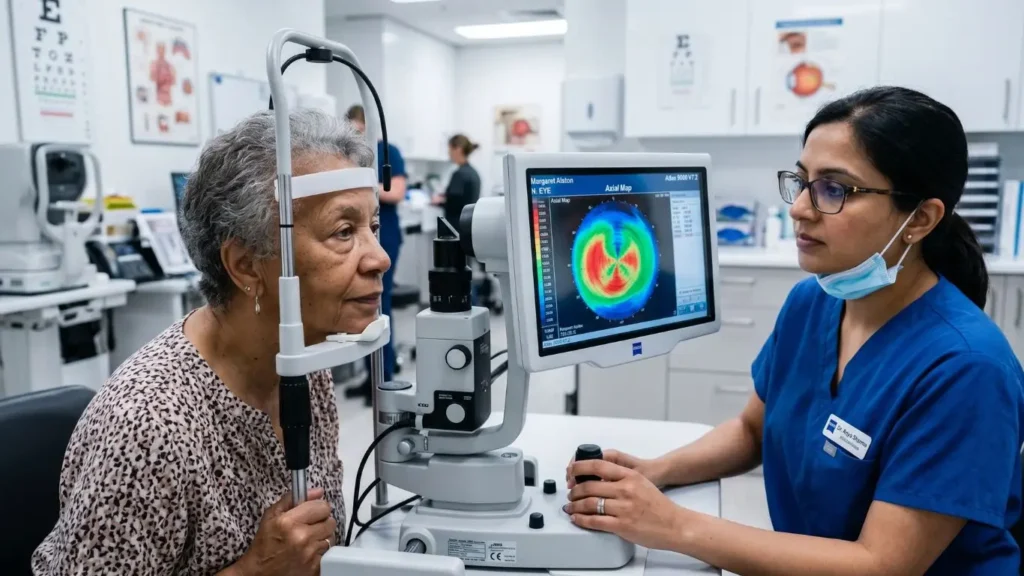
First, confirm you are a medical candidate through a real eye exam. Second, settle the money question, whether that means an FSA, HSA, or financing. Third, pick a surgeon with strong reviews and clear pricing. Fourth, understand the recovery time so you can plan work and driving around it. The American Academy of Ophthalmology offers trustworthy, non-promotional guidance on refractive surgery safety and is a solid place to learn more before you decide.
Families often think about coverage timing for younger members, too. If you have kids on your plan, knowing how long they can stay on your insurance helps you plan their eye care, even though LASIK is rarely recommended before the mid-twenties when vision stabilizes.
FAQs
Is Lasik surgery painful?
No, the surgery itself is not painful. Numbing eye drops are used so you feel pressure but not pain during the procedure, which takes only about ten to fifteen minutes for both eyes. Mild discomfort, watering, or a gritty feeling is common for a few hours afterward, but it usually fades quickly.
At what age can you get Lasik?
Most surgeons recommend waiting until at least age 18, and many prefer patients in their mid-twenties. This is because vision needs to be stable for about a year before surgery. Eyes that are still changing can lead to less predictable results, so a stable prescription matters more than age alone.
Can both eyes be done on the same day?
Yes, in most cases both eyes are treated during the same appointment. This is standard practice and helps with a smoother, more balanced recovery. Some patients with specific eye conditions may be advised to do one eye at a time, but that decision is made by the surgeon during your exam.
What disqualifies you from getting Lasik?
Several factors can make someone a poor candidate, including thin or irregular corneas, severe dry eye, an unstable prescription, uncontrolled diabetes, certain autoimmune conditions, and pregnancy. A thorough eye exam is the only reliable way to know for sure, since these issues are not always obvious to the patient.
The Bottom Line
So, one last time, is Lasik covered by insurance? Usually not, because it is treated as an elective procedure rather than a medical necessity. But the picture is not all gloomy. Rare medical-necessity cases, job-related vision programs, and union perks can open the door to partial help. Far more commonly, vision plans offer discounts that trim the cost. And pretax tools like FSAs and HSAs, along with financing and seasonal deals, put laser eye surgery within reach for almost anyone willing to plan.
The smartest move is simple. Stop guessing, call your insurer, ask about both coverage and discounts, and build a clear payment plan. Clear vision is a wonderful thing, and with a little preparation, the cost does not have to stand in your way.