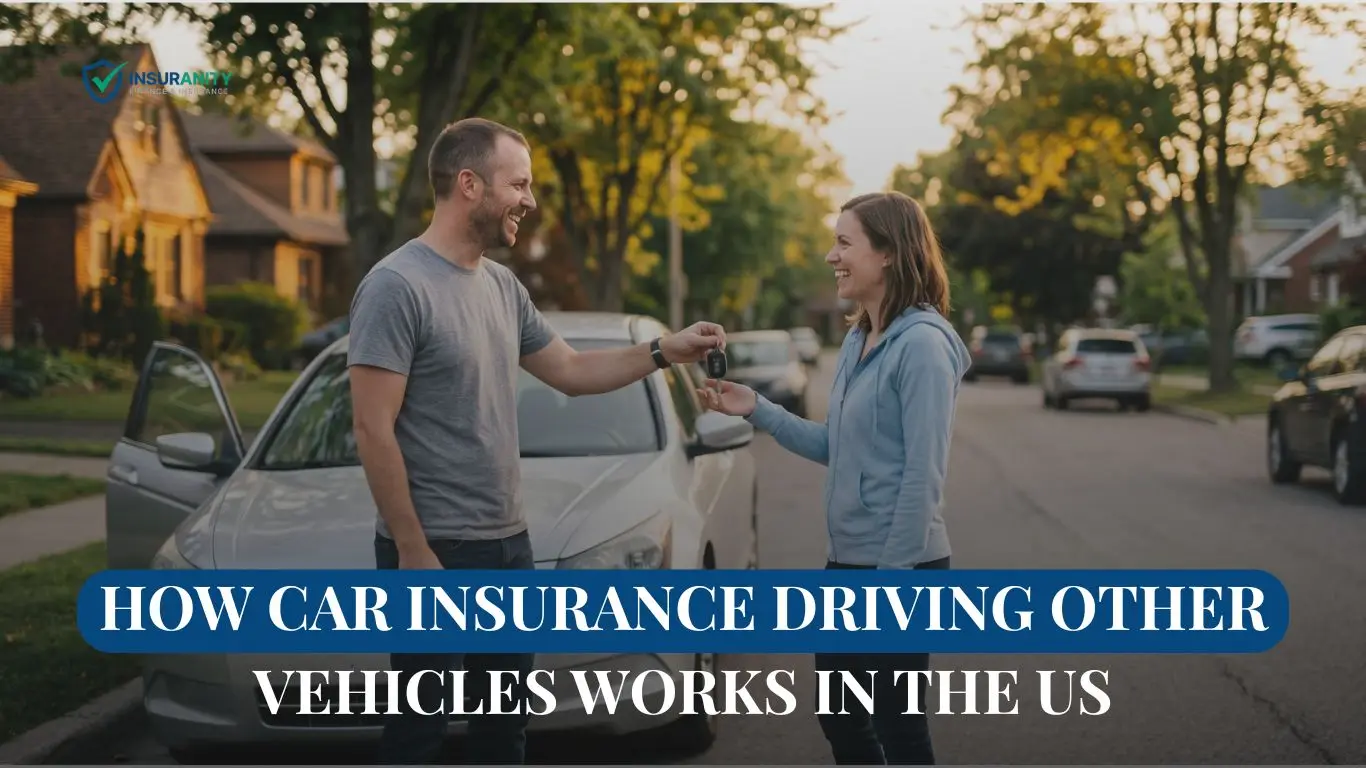
You lend your car to a friend. Twenty minutes later, your phone rings. An accident. Nobody’s hurt, thank goodness, but both vehicles took damage. Your first thought: whose insurance pays for this?
This is one of the most misunderstood situations in American auto insurance. Most people assume the driver’s own policy covers them wherever they go. That’s not how it works. And finding out the hard way, after an accident, is the worst way to learn.
This guide breaks down exactly how car insurance driving other vehicles works in the US, in plain language, with real scenarios you can actually use.
The Core Rule: Insurance Follows the Car, Not the Driver
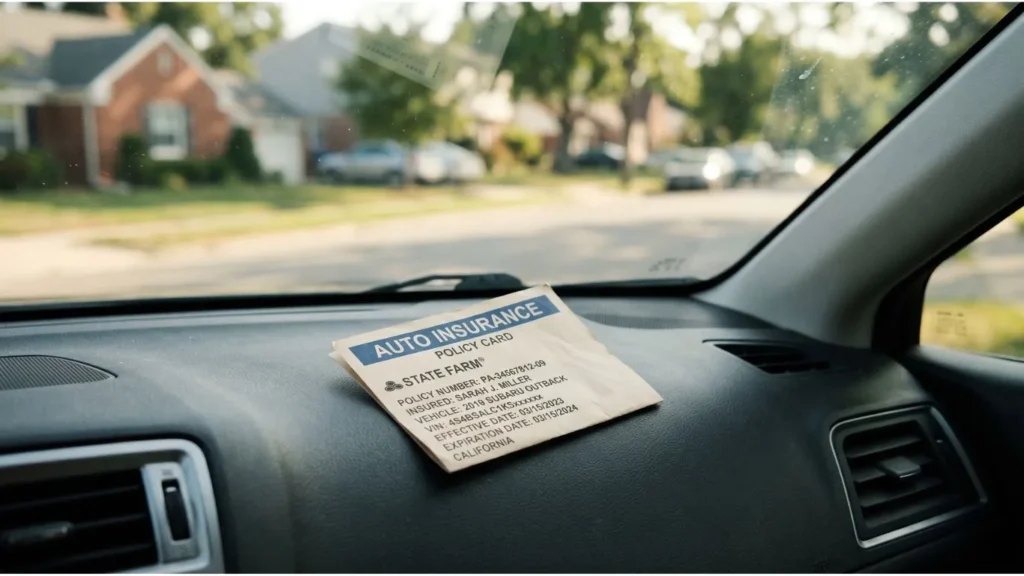
Here’s the single most important thing to understand about car insurance driving other vehicles: in most states across the US, auto insurance follows the vehicle, not the person behind the wheel.
That means if someone borrows your car and causes an accident, your policy is the one that gets called first. Not theirs. Yours.
Think of it this way. Your insurance is attached to your car like a sticker. Whoever drives that car carries that sticker with them. The driver’s own insurance only comes into play if the damages go beyond what your policy can cover.
This rule is called the primary coverage principle, and it applies in the vast majority of US states. There are exceptions, and they matter, but this is the starting point for understanding how car insurance driving other vehicles works.
What Is Permissive Use and Why Does It Matter?
“Permissive use” is the insurance term that determines whether a borrowed-car accident gets covered at all.
Permissive use simply means you gave someone permission to drive your vehicle. That permission can be direct, like handing someone your keys, or implied, like a family member who regularly uses the car. If someone drives your car with your permission and gets into an accident, your policy is generally required to step in.
If they did not have your permission, that’s a different story. Non-permissive use, meaning they took the car without your knowledge or consent, can result in your insurer denying the claim entirely. In that case, the driver may be personally liable for all damages out of pocket.
Understanding permissive use is central to understanding car insurance driving other vehicles because it determines whether coverage kicks in at all.
When You Borrow Someone Else’s Car: What Covers You?
Now flip the situation. You’re the one borrowing a friend’s car. You cause an accident. Here’s what happens, step by step:
Step 1: The car owner’s insurance pays first
Their policy is primary. It covers damage you cause to other vehicles and people, up to the policy’s liability limits.
Step 2: Your own insurance may kick in as secondary
If the damages exceed the car owner’s coverage limits, your personal auto policy may step in to cover the gap. This only applies if you carry your own policy. If you don’t own a car and don’t have insurance, there’s no secondary coverage to catch the overflow.
Step 3: The gap is your problem
If damages exceed both policies combined, the remaining amount falls on whoever is at fault. In most cases, that’s you.
This layered system is exactly how car insurance driving other vehicles is structured across the US, and it’s why understanding both policies, yours and the car owner’s, matters before you borrow anyone’s vehicle.
The “Occasional vs. Regular” Line That Changes Everything
Here’s where a lot of people trip up. There’s a meaningful difference between borrowing a car once in a while and using it regularly.
Most auto policies are designed to cover occasional drivers through permissive use. If your neighbor lends you her car on a Saturday so you can pick up furniture, that’s typically covered. But if you borrow that same car every weekday to commute to work, your neighbor’s insurer may argue you should have been listed on the policy as a named driver.
Regular use without being listed can lead to a claim being denied or reduced, even if you technically had permission to drive.
This matters a lot for households with multiple adults. If your roommate drives your car three days a week, they generally need to be added to your auto insurance policy. Same goes for a partner, an adult child living at home, or any household member who regularly gets behind the wheel.
Failing to list a regular driver is one of the most common ways people discover coverage gaps, right after the accident has already happened.
Excluded Drivers: When Permission Doesn’t Matter
Let’s say you told your son he could use your car. But three months ago, you formally excluded him from your insurance policy because of his poor driving record.
Does permissive use still apply? No. It does not.
Excluded drivers are specifically named in a policy as people who are never covered, regardless of permission. If an excluded driver causes an accident in your vehicle, your insurer can refuse to pay the claim entirely. In some states, a minimal level of coverage may apply, but you cannot count on it.
Excluding someone from your policy typically lowers your premium because you’re removing a high-risk driver. The trade-off is that you’re accepting personal financial exposure if that person ever drives your car. Understanding how vehicle insurance exclusions work before making that decision is worth the time.
What Happens When You Drive a Rental Car?
Rental vehicles are a slightly different situation and one that confuses people constantly.
When you rent a car for personal use, your personal auto insurance generally extends to cover that rental, the same way it would for any vehicle you’re driving with the owner’s permission. The rental company is the owner. You have a signed agreement granting you use. That counts as permissive use.
However, there are limits to watch for:
- Your coverage limits are capped at whatever your personal policy says, not the rental value
- If you don’t carry collision or comprehensive coverage on your own vehicle, those gaps apply to the rental too
- Rental company insurance (sold at the counter) is separate and covers different things
The rental company’s offered coverage can feel like a hard sell at the checkout counter. But for some drivers, especially those without collision coverage on their personal policy, it’s genuinely worth considering.
It’s also worth checking whether your credit card provides rental car coverage before purchasing anything from the rental company. Some cards include secondary rental coverage as a cardholder benefit.
What About Commercial Use? Rideshare? Deliveries?
This is an area where car insurance driving other vehicles rules break down fast.
Personal auto insurance policies are not designed to cover commercial driving. If you borrow a friend’s car and use it to do a rideshare trip or a food delivery run, several things happen that most people don’t expect:
- The vehicle owner’s personal policy likely excludes commercial use
- Rideshare platforms may provide some coverage, but only during active trips
- The gap between those two is real, and it leaves drivers exposed
If you regularly drive other people’s vehicles for work or delivery purposes, you may need a specialized endorsement or a commercial auto policy. Temporary commercial vehicle insurance exists specifically for situations where standard personal coverage isn’t enough.
Non-Owner Car Insurance: A Policy Built for Borrowers
If you frequently drive cars you don’t own and don’t have a personal auto policy of your own, there’s a product made specifically for your situation: non-owner car insurance.
This type of policy provides liability coverage when you’re behind the wheel of a borrowed vehicle. It acts as secondary coverage, stepping in when the car owner’s policy limits aren’t enough to cover the damages you caused.
Non-owner policies do not cover physical damage to the vehicle you’re driving. They cover damage you cause to other people and their property.
Who needs this? Typically, people who:
- Don’t own a car but borrow one regularly
- Want to maintain continuous coverage (which helps keep premiums lower when they eventually buy a car)
- Drive rental cars frequently for business travel
- Recently had their license suspended and need to file an SR-22
Non-owner insurance is cheaper than a standard auto policy, and it provides a real safety net for people who think they’re uncovered when they borrow a vehicle.
How Liability Coverage Works When You’re Driving Someone Else’s Vehicle
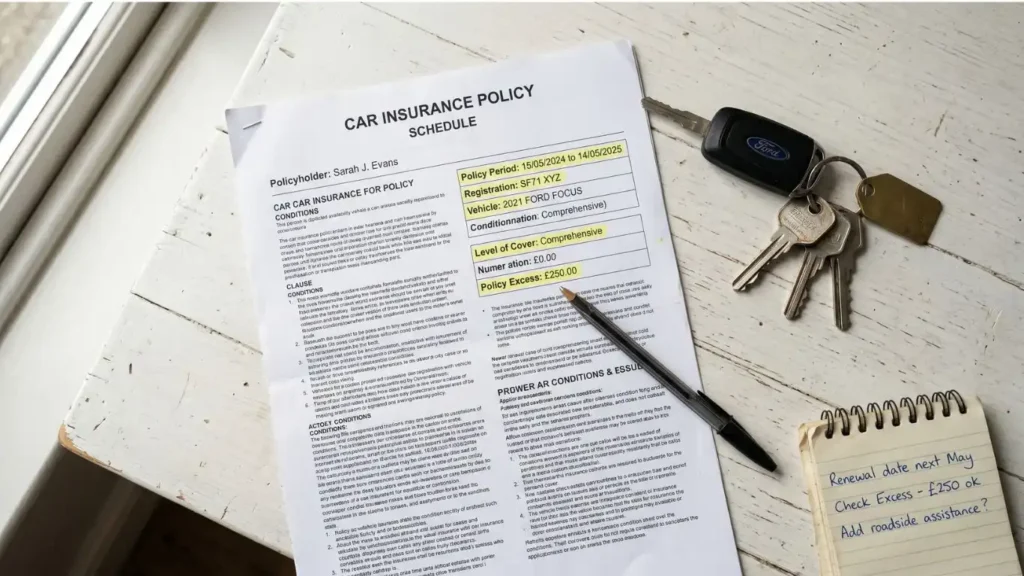
Let’s break down the specific coverage types and how they apply during a car insurance driving other vehicles situation.
| Coverage Type | Who It Follows | Applies When Borrowing? |
|---|---|---|
| Liability (Bodily Injury) | The car | Yes, car owner’s policy is primary |
| Liability (Property Damage) | The car | Yes, car owner’s policy is primary |
| Collision | The car | Only if the owner carries it |
| Comprehensive | The car | Only if the owner carries it |
| Medical Payments / PIP | Varies by state | May follow the driver |
| Uninsured Motorist | Varies by state | May follow the driver |
| Your own secondary coverage | The driver | Kicks in when owner’s limits are exceeded |
Medical payments coverage and uninsured motorist protection sometimes follow the driver rather than the car, depending on your state and policy language. That means even when you’re in someone else’s vehicle, your own policy may cover your injuries if another driver hits you and has no insurance.
This is worth checking directly with your insurer because the rules vary by state. Knowing whether your policy covers you as a driver vs. only your specific vehicle can make a real difference in a bad situation.
What Happens to Your Rates After a Borrowed-Car Accident?
This part catches people off guard.
If someone borrows your car insurance driving other vehicles and causes an accident, the claim is typically filed against your policy. That means your premium can go up at renewal, even though you weren’t the one driving. Claim history follows the vehicle owner, not the borrower, in most cases.
This is one reason why it’s worth thinking twice before handing your keys to someone with a questionable driving record. Their accident becomes your rate increase.
The borrower’s driving history may also be affected if they’re at fault. Their insurer may be notified, especially if their policy was accessed as secondary coverage.
Step-by-Step: What to Do If You’re in an Accident Driving Someone Else’s Car
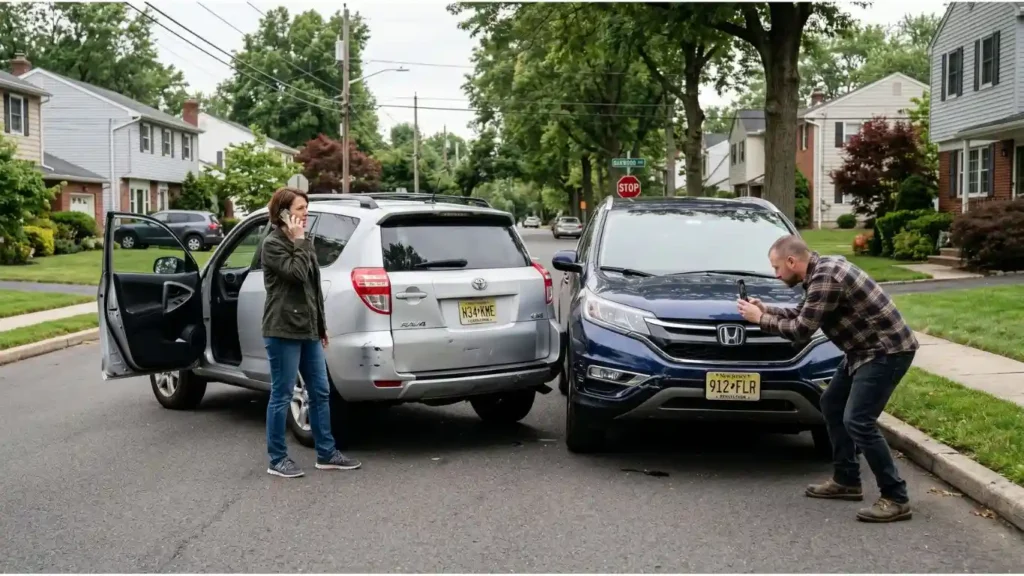
If an accident happens while you’re driving a borrowed vehicle, here’s how to handle it:
Step 1: Check for injuries first
Call 911 if anyone is hurt.
Step 2: Document everything
Photos of both car insurance driving other vehicles, the road, any damage, and the other driver’s information.
Step 3: Get the car owner’s insurance information
You’ll need their insurer’s name, policy number, and contact info.
Step 4: Call the car owner
They need to know immediately. The claim will likely go through their policy.
Step 5: Notify your own insurer
Even if your policy acts as secondary coverage, they need to be aware of the incident.
Step 6: Do not admit fault at the scene
Let the insurers determine liability through the claims process.
Step 7: Cooperate with both insurance companies
Both policies may be involved in resolving the claim.
Following these steps protects both you and the vehicle owner from unnecessary complications during the claims process. It’s also worth knowing the penalties that can apply if a driver is found to have been operating without any valid coverage.
State-by-State Differences That Actually Matter
Car insurance driving other vehicles rules are not identical across all 50 states. A few differences worth knowing:
- Florida applies the “dangerous instrumentality doctrine,” which can hold a vehicle owner legally responsible for damages caused by anyone they let drive their car, even with valid permissive use and insurance.
- New Hampshire does not require minimum auto insurance, though financial responsibility laws still apply.
- Some states require insurers to extend at least minimum liability coverage to any permissive driver, while others allow policies to restrict permissive use more tightly.
If you live in a state with unique liability rules, it’s worth reviewing your policy language or speaking with a licensed agent about how your coverage actually applies when someone else drives your car.
A Quick Word on Leased and Financed Vehicles
If the car insurance driving other vehicles being borrowed is leased or financed, there’s another layer to consider.
Leasing companies and lenders are listed as additional insured parties on the vehicle’s policy. They have a financial interest in the car being properly covered. If you’re driving someone’s leased car and cause an accident, the claim process involves not just the car owner’s insurer but also the lessor’s interests. This can make the resolution slower and more complicated.
Understanding how car insurance for leased vehicles differs from standard ownership policies is worth your time if you’re regularly borrowing or lending a leased car.
FAQs
Does Driving Other Vehicles (DOV) coverage provide full insurance protection?
No. When available, DOV coverage is usually limited and often provides only liability protection. It may not cover damage to the vehicle you are driving or your own injuries after an accident.
Can I regularly use another person's car under Driving Other Vehicles coverage?
Generally, no. DOV coverage is intended for occasional or emergency use. If you frequently drive another vehicle, you may need to be added as a named driver on that vehicle's insurance policy.
What happens if I have an accident while driving another insured vehicle?
The vehicle owner's insurance is usually the primary coverage, while your own policy may provide secondary coverage depending on the insurer and policy terms. Claims handling can vary by state and insurance company.
Are rental cars covered under Driving Other Vehicles insurance?
Not always. Some personal auto insurance policies extend coverage to rental vehicles, while others may require additional rental car protection. Reviewing your policy before renting a vehicle can help avoid unexpected costs.
The One Mistake Most People Make Before Borrowing a Car
They don’t ask.
Not about the keys. About the coverage.
Before you drive someone else’s vehicle, especially for anything beyond a quick errand, it takes about two minutes to ask the owner:
- Do you carry collision and comprehensive?
- What are your liability limits?
- Am I excluded from your policy for any reason?
Two minutes of that conversation can save you thousands of dollars and a lot of legal headache if something goes wrong. And while you’re at it, check whether your own policy provides secondary coverage. If you’re not sure, call your insurer and ask. That’s what they’re there for.
Car insurance driving other vehicles is one of those topics that seems simple until you’re standing at an accident scene trying to figure out who pays for what. The answer, almost always, starts with the car owner’s policy and works outward from there. Know that going in, and you’ll handle whatever happens with a lot more confidence.